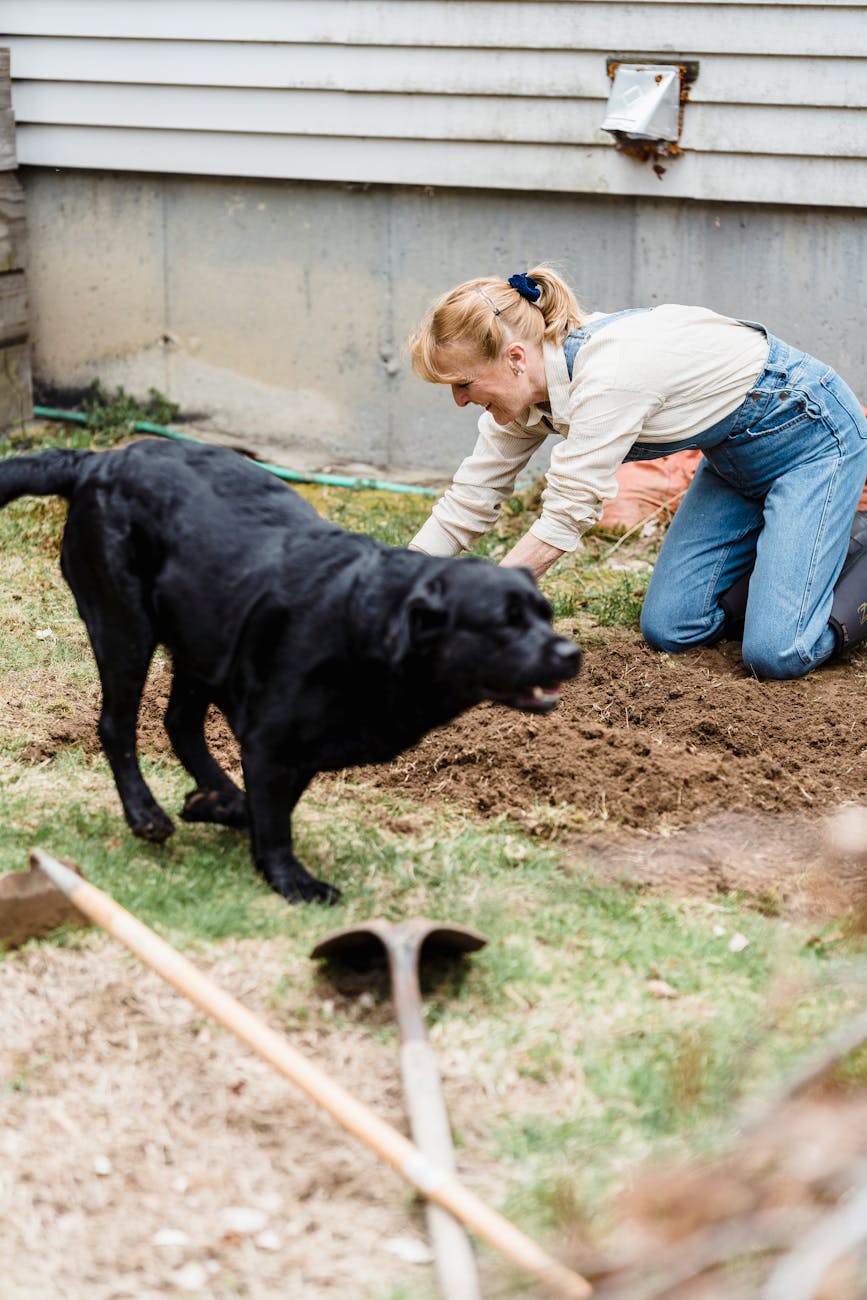
If you’re like me and love spending time in your garden with your pup, you’ve probably wondered how to make your outdoor space safe and enjoyable for both plants and pets. Dogs bring so much joy to our lives, but they can also be curious explorers who might unintentionally trample delicate blooms or dig up freshly planted seeds.
With just a few clever tips and a touch of creativity, you can transform your garden into a dog-friendly haven where you and your four-legged friends can frolic together. Let’s dive into the world of dog-friendly gardening and explore some pawsome ideas.
Choose Pet-Safe Plants
First things first, let’s talk about plants. Some common garden plants can be toxic to dogs if ingested. To avoid any mishaps, opt for dog-friendly plants that are safe and non-toxic. Here are a few beautiful options to consider:
- Marigolds: These cheerful flowers are not only vibrant but also safe for dogs.
- Sunflowers: Bright and towering, sunflowers are a dog-friendly favorite.
- Snapdragons: These colorful blooms add vertical interest and are safe for dogs.
- Blueberries: Plant a bush and enjoy fresh berries while your dog snacks safely.
- Catnip: Yes, it’s not just for cats! Catnip is safe and can attract beneficial insects.
Remember to research any plant before adding it to your garden, just to be certain it won’t pose a risk to your furry pals.
Designate a Dog Zone
Dogs love to roam and explore, so why not create a specific area just for them? Designate a part of your garden where your dogs are free to play and dig without interfering with your prized flower beds. You can use fencing, decorative borders, or even low hedges to define this space. Fill it with dog-friendly grasses and provide some toys or agility equipment to keep them entertained.
Mulch Mindfully
Mulching is a great way to suppress weeds and retain moisture in your garden, but not all mulches are created equal when it comes to dogs. Cocoa mulch, for example, can be toxic to dogs if ingested. Opt for pet-safe mulch options such as pine, cedar, or hemlock. These are not only safer but also have a pleasant scent that can deter pests.
Create Paths and Walkways
Dogs are natural explorers, and they often follow their noses wherever they lead. By creating defined paths and walkways in your garden, you can help direct their curiosity without disrupting your plants. Use materials like gravel, stone pavers, or mulch to establish clear pathways that are both functional and visually appealing.
Consider Raised Beds
If your dog has a tendency to trample through your flower beds, consider using raised beds for your delicate plants. Raised beds not only provide protection but also make gardening easier on your back. You can customize the height to keep curious noses at bay while still showcasing your favorite blooms.
Choose Sturdy Garden Features
When selecting garden features like statues, trellises, or containers, opt for sturdy options that can withstand a bit of canine curiosity. Avoid delicate or fragile items that could easily be knocked over or broken during a playful romp.
Incorporate Water Features
Many dogs enjoy a splash in the water, especially on hot days. Incorporating a pet-friendly water feature like a small pond, fountain, or dog-friendly pool can be a delightful addition to your garden. Just be sure to supervise your dog around water to ensure their safety.
Add Shade and Shelter
Dogs, like humans, appreciate a cool, shaded spot to relax on warm days. Planting trees or adding umbrellas, pergolas, or even a cozy doghouse can provide much-needed shade and shelter. This not only makes your garden more inviting for your furry friends but also creates a comfortable retreat for you to enjoy together.
Don’t forget a cooling vest or bandana for your pup, or even a pup blow up pool as great options to keep cool during the summer too. Bonus points if you make your pup some pupsicles for a little treat too! 😉
Avoid Harmful Chemicals
Finally, when tending to your garden, be mindful of using pet-safe products. Avoid pesticides, herbicides, and fertilizers that could be harmful if ingested or absorbed through your dog’s paw pads. Instead, opt for natural alternatives or organic gardening methods that are safe for both your pets and the environment.
Conclusion
Creating a dog-friendly garden is all about striking a balance between beauty and functionality while keeping your furry companions safe and happy. By choosing pet-safe plants, designating play areas, and incorporating thoughtful features, you can create an outdoor space that’s enjoyable for everyone.
Remember, gardening with dogs is a joyful journey of exploration and discovery. Embrace the paw prints in the soil and cherish the moments spent together in nature’s embrace. With a little creativity and a lot of love, your garden can become a haven where wagging tails and blooming flowers coexist harmoniously.
So, unleash your creativity, grab your gardening tools, and let’s make our outdoor spaces truly dog-gone delightful! Happy gardening!
Are you hoping to take your pup on some travels and adventures this summer? Check out some of our favorite dog travel essentials:

You can also follow along on Honey’s latest adventures on Instagram, and find our latest product recommendations in her LTK shop.









 Honey Boo the Cavapoo Blog
Leave a comment